
Tinkerlands Settlement & NPCs
House NPCs, organize storage, and turn your Beach camp into a hub.
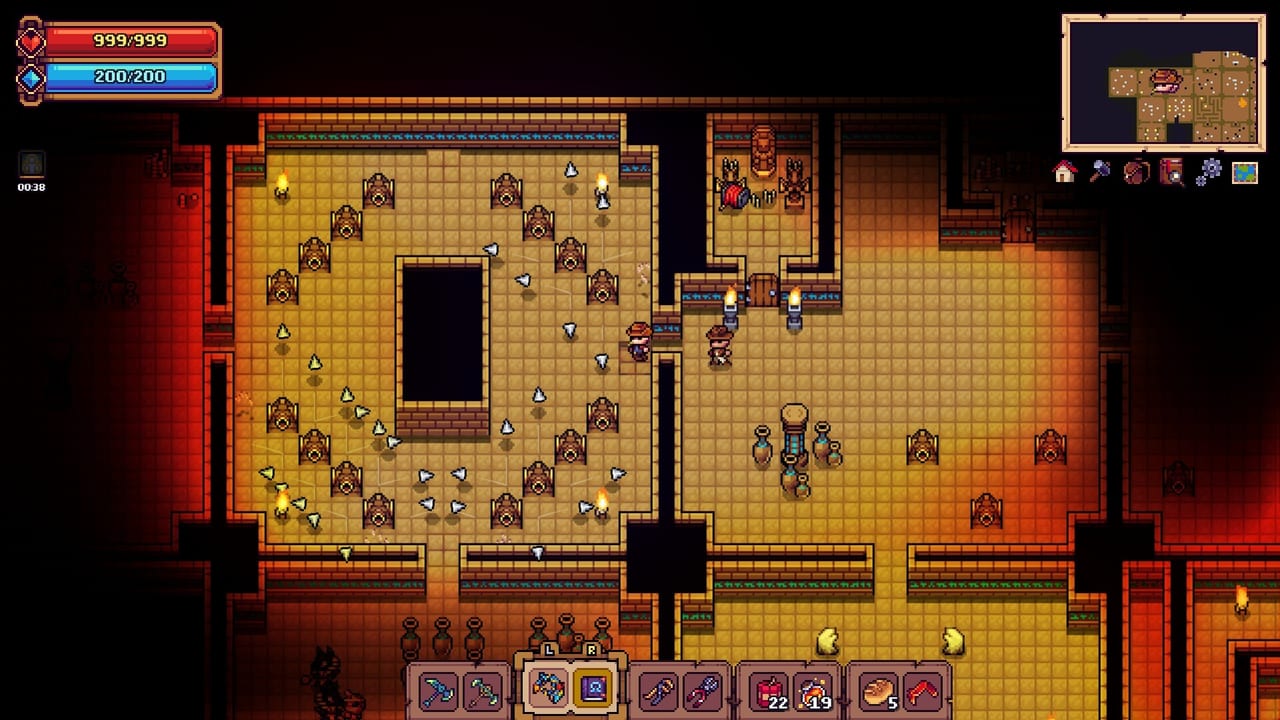
A strong settlement is the quiet advantage in Tinkerlands. Combat highlights bosses and sailing highlights charts, but your NPC-powered base decides how fast you recover from wipes, how cleanly co-op shares loot, and how ready you are for Seas of Fortune. This guide explains early housing around The Guide, why the Carpenter changes everything, how to lay out storage for summon mats, and how settlement growth supports the full boss spine. Cross-read Getting Started, Boss Progression, and Sailing & Islands while you build.
Tinkerlands is a 2D top-down survival craft and sandbox RPG in Steam Early Access (launched May 23, 2025). Developers CodeManu and Endless Coffee, publisher HypeTrain Digital. Play solo or in online co-op with up to four players on Explorer, Adventurer, or Survivor difficulty. The fantasy loop—explore islands, gather, craft, build with NPCs, fight bosses, sail—only clicks when the base is more than a dirt square with a lonely chest.
Beach foothold: start with The Guide
You shipwreck onto the Beach with The Guide as your first NPC touchstone. Do not treat The Guide as flavor text only. Keep them safe, housed, and easy to find so early hints and quests stay frictionless. Build a small courtyard: Working Table access, campfire or cooking spot, bed or rest point, and a starter chest wall.
Early settlement priorities:
- Craft and place the Working Table in a defended, lit room.
- Separate food, ore, and misc chests from day one.
- Leave open plots for NPC rooms instead of sprawling decorative walls.
- Path the Beach to the Grasslands edge so night runs have a lit return lane.
- In co-op, put a sign or obvious marker on the shared summon-mat chest.
If you skip organization now, midgame Mucus, Eyes of Newt, Thumpers, Crab Juice, scrolls, and Red Candles will vanish into junk piles.
Carpenter: the settlement’s industrial leap
The Carpenter is rescued from a Mineral Spider cocoon in the snow-biome cave route. That rescue is both a boss beat and a town-planning beat. Free them, house them properly, and prioritize ship repair over vanity expansions. A repaired ship turns your settlement into a true port: charts leave from here, loot returns here, and Seas of Fortune will care even more about docks and custom vessels later.
Carpenter checklist:
- Room with door, light, and clear path to the shore or drydock area.
- Nearby chests for ship repair materials and Map Charts.
- Workbench adjacency so craft loops stay short.
- Co-op rule: nobody relocates the Carpenter without saying so in chat.
Details on the spider fight sit on Boss Progression; sailing after repair is covered in Sailing & Islands.
Layout patterns that scale
Think in rings:
- Core ring: beds, NPCs, Working Table, essential stations.
- Storage ring: labeled chests and crates for biomes and boss mats.
- Defense ring: walls, traps if available, choke points facing Grasslands and Beach spawns.
- Harbor ring: ship access, chart vault, temporary unload chests for voyage returns.
Avoid spaghetti corridors that block kite paths when a boss pull goes wrong near town. Keep at least one wide avenue from gate to core. On Survivor difficulty, a messy base is a death sentence when you panic-run home on low health.
NPC roles and future neighbors
Early Access will keep adding reasons to house more NPCs as you progress through biomes and updates. Design modular rooms—identical footprints with unique chests—so new arrivals slot in without a full remodel. Tie NPC happiness or availability (as the game defines it in your build) to lighting, space, and safety rather than carpet spam alone.
Practical role mindset:
- Guide: onboarding and early quests.
- Carpenter: ship and structural progression.
- Future specialists: expect crafting, trading, or biome-themed helpers as you unlock islands and bosses.
When Quetzalcoatl, Baba Yaga, Banshee, and pyramid content come online, your town should already have vault space for Forbidden Pact scrolls, Ghostlands Map, and Red Candles.
Storage for boss progression
Create a Boss Mats cabinet with fixed slots:
| Material | Used for |
|---|---|
| Mucus (50 for doll) | Slimeking |
| Eye of Newt (5) | Frog Prince altar |
| Thumpers (4) | Iron Devourer |
| Pumpkin-related prep | Grim Reaper |
| Crab Juice / blue crab farms | Overgrown Crab |
| Forbidden Pact / scrolls | Quetzalcoatl |
| Red Candles | Banshee |
| Map Charts | Navigate / islands |
In co-op, only one player should “own” the withdrawal of unique charts. Everyone can deposit; withdrawals need a callout. This habit prevents the classic “who took the Ghostlands Map” argument the night before a Banshee attempt.
Settlement as power for combat and sailing
Every boss attempt should start and end at town:
- Repair gear and restock food before you leave.
- Deposit loot before the next altar so wipes do not erase progress.
- Use harbor unload chests after sails so ore does not clog the ship forever.
- Craft summon items at home, not on a dark swamp floor unless you must.
Settlement quality also softens difficulty. Explorer players can afford uglier bases; Survivor players should invest in clear lighting and short paths between bed, food, and gate. Adventurer sits between—build clean enough that co-op guests understand the layout in ten seconds.
Co-op base rules that save friendships
- Shared blueprint: agree where the core ring sits before anyone spams walls.
- No silent relocation of NPC furniture.
- Color-code or label chests; do not rely on memory.
- Keep a visitor chest for random drops so main vaults stay pure.
- Schedule remodel nights instead of editing the harbor during a live Navigate.
Four players can build a city quickly, or they can brick the pathing with competing castles. Use the settlement video on this page to align taste, then enforce function over fashion until Mineral Spider and first charts are done.
Preparing the town for Seas of Fortune
Seas of Fortune (around December 2026) adds custom ship building and sailing, five new islands, pirate contracts, ~1000 new items, and a free weekend in late November 2026. Your settlement should already have:
- Expandable dock space.
- Chart and contract storage.
- NPC rooms with spare plots.
- Surplus food economy for longer voyages.
- Clear roads from harbor to crafting core.
Players who wait until the patch to organize will spend the free weekend sorting chests instead of sailing new islands.
Common settlement mistakes
- Building far inland with no harbor plan.
- Housing the Carpenter in an unreachable decorative tower.
- Mixing food with boss mats.
- No Working Table canopy or light—crafting while mobs path through town.
- Ignoring The Guide’s safety while rushing Grasslands.
- Remodeling during an active co-op boss night.
Next steps
Stabilize Beach housing, free and house the Carpenter, label the boss cabinet, then push the recommended fights on Boss Progression. Use Sailing & Islands to turn the harbor into a chart hub, and return to the Guides Hub whenever a friend needs the full tutorial map. A tidy settlement will not beat Quetzalcoatl for you—but it will make sure you always have the scroll, the food, and the ship ready when your group is.
Frequently Asked Questions
Quick answers to the most common Tinkerlands questions.
Who is the first NPC in Tinkerlands?
The Guide meets you after the Beach shipwreck. Keep them housed and safe while you craft the Working Table and stabilize your first camp.
Why does the Carpenter matter for the settlement?
After you rescue the Carpenter from the Mineral Spider cocoon, they repair your ship. Housing them near shore and storage turns your base into a working port for Map Charts.
How should I organize chests?
Split food, ore, misc, and a dedicated boss-mat cabinet for Mucus, Eyes of Newt, Thumpers, Crab Juice, scrolls, Red Candles, and Map Charts. Label everything for co-op.
Does settlement building help with bosses?
Yes. Short craft paths, repaired gear, stocked food, and secure summon storage make attempts on Frog Prince through late bosses far more consistent.
How do I prepare my base for Seas of Fortune?
Leave expandable dock space, spare NPC rooms, chart storage, and a surplus food line before the December 2026 window and late November 2026 free weekend.